
Exterior Protection Against Multi-Season Weather
Roofing and Siding in Gillette for homes experiencing hail damage, wind-lifted shingles, or deteriorating exterior materials
Wyoming wind speeds that regularly exceed forty miles per hour lift shingle edges and drive moisture underneath, while hail impacts crack protective granule coatings that shield asphalt from UV breakdown. Your roof and siding form the primary defense against snow accumulation, ice damming along eaves, and temperature swings that cause materials to expand and contract daily. R & L Contractors replaces roofing and installs siding systems designed to maintain structural integrity through these conditions rather than requiring frequent repairs.
Roofing replacement involves stripping old materials down to decking, inspecting for moisture damage or soft spots that indicate rot, then installing new shingles with high wind-rated fasteners and ice-and-water shield along vulnerable eave and valley sections. Siding projects include housewrap installation that blocks wind-driven moisture while allowing interior vapor to escape, then securing panels with fasteners that permit seasonal movement without cracking or pulling loose.
Request an exterior evaluation to identify current damage and discuss material options suited for long-term weather exposure.
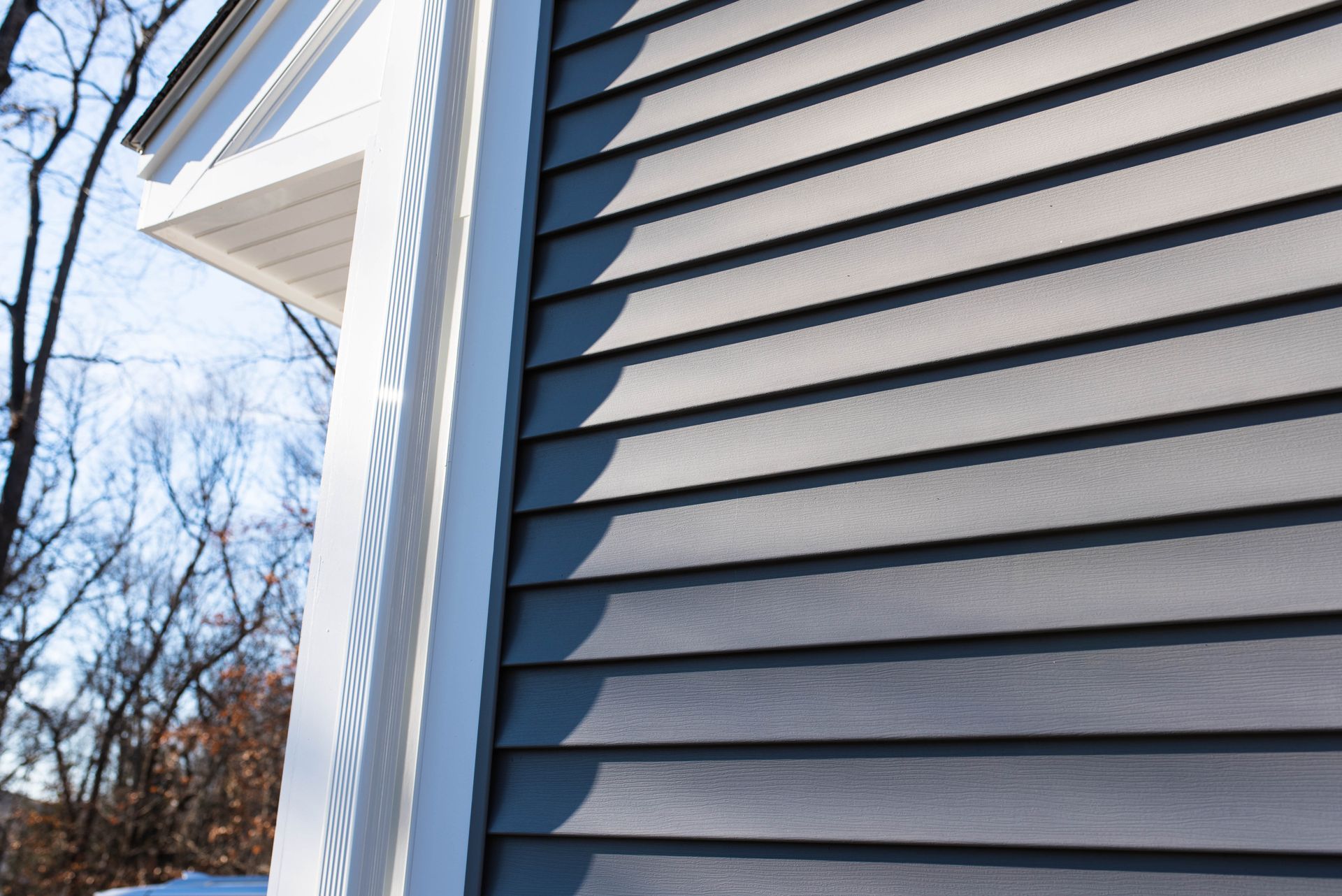
How Replacement Products Address Insulation Failures
Proper exterior protection requires material selection based on Wyoming's specific weather patterns, including shingles rated for wind speeds common to the region and siding products that won't crack when temperatures drop below zero then rise above sixty within twenty-four hours. Coordination with insulation improvements makes sense during exterior projects since wall cavities are already open and you avoid duplicate labor costs for future energy upgrades. Underlayment quality matters as much as surface materials because moisture that penetrates past shingles or siding causes sheathing rot that compromises fastener hold and leads to panel lifting during wind events.
After installation, you'll notice your home sheds snow more effectively without ice buildup along roof edges, interior temperatures stay more consistent because exterior materials block air infiltration, and heating system run times decrease when wind no longer penetrates through siding gaps. The exterior appearance improves immediately with consistent color and material alignment, and you won't see shingle granules collecting in gutters or siding panels hanging loose from failed fasteners.
Low-maintenance siding options eliminate the need for repainting every five to seven years, while durable roofing materials extend replacement intervals beyond the fifteen-year lifespan typical of builder-grade shingles installed on many Gillette homes. Projects often include soffit and fascia replacement when existing materials show rot from ice dam moisture or inadequate ventilation that traps heat in attic spaces.
Answers to Frequent Service Questions
Roofing and siding projects involve significant investment and affect your home's protection for decades, so homeowners naturally have detailed questions about materials, timing, and long-term performance.
What roofing materials handle Wyoming hail and wind most effectively?
Impact-resistant shingles with Class 4 ratings resist cracking from hail up to two inches in diameter, architectural shingles with higher weight ratings stay sealed during wind gusts better than three-tab products, and proper fastener count matters more than shingle quality since under-fastened roofs fail regardless of material grade.
How does siding choice affect maintenance requirements over time?
Vinyl siding requires only occasional washing and never needs painting but can crack in extreme cold if impacted, fiber cement resists weather damage and insect problems but requires repainting every ten to fifteen years, and engineered wood products offer natural appearance with better moisture resistance than traditional wood siding.
When should I replace siding at the same time as roofing?
Combined projects make sense when both materials show similar age and condition issues, when you want to update exterior appearance completely rather than having mismatched new and old sections, or when you're adding insulation behind siding and want to coordinate timing with roof insulation improvements.
What signs indicate my roof needs replacement rather than just repairs?
Missing shingles across multiple roof sections suggest adhesive failure affecting the entire installation, granule loss exposing black asphalt substrate indicates UV damage that will accelerate decay, and interior water stains or attic moisture point to underlayment failure that can't be fixed with surface patches.
How long do properly installed roofing and siding systems last in Gillette's climate?
Architectural shingles with impact resistance typically last twenty-five to thirty years when properly ventilated and fastened, fiber cement siding maintains structural integrity for thirty-five to fifty years with periodic painting, and vinyl siding lasts twenty to forty years depending on quality grade and sun exposure that causes fading and brittleness.
R & L Contractors assesses your current exterior condition and explains which material combinations provide the best balance of weather protection, maintenance requirements, and long-term durability. Arrange a property inspection to discuss roofing and siding options specific to your home.