
Basements That Add Space You Actually Use
Home Additions and Sunrooms in Gillette for families needing extra bedrooms, dedicated offices, or living areas without relocating to larger properties
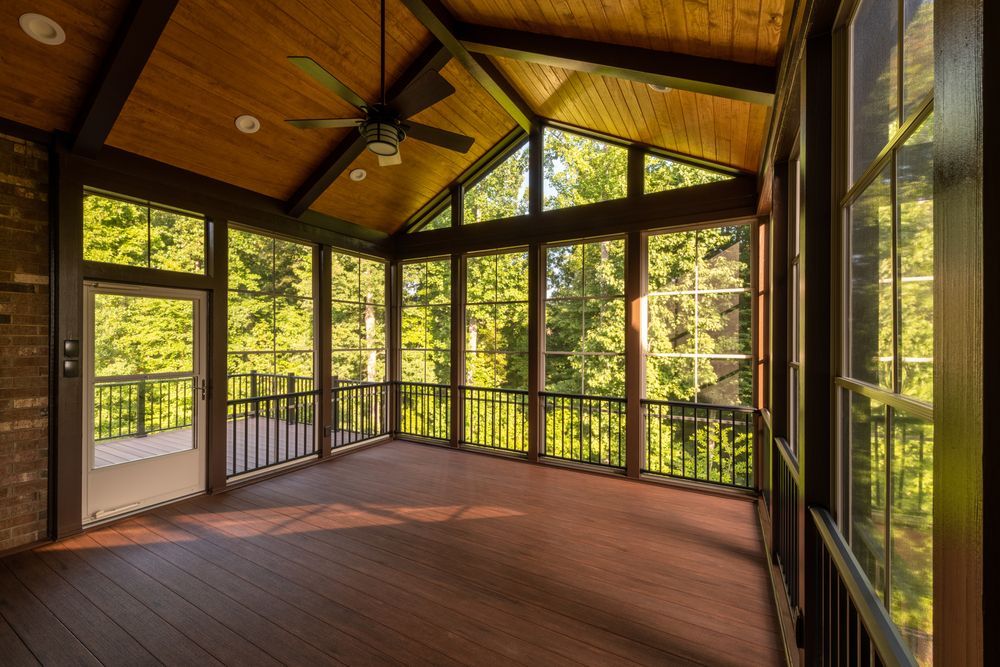
Wyoming's winter weather makes large-window sunrooms particularly valuable because they bring natural light and outdoor views indoors during months when exposure and cold limit patio use. Custom additions and sunroom construction from R & L Contractors expand usable living space by adding bedrooms, offices, living areas, or multi-purpose rooms that integrate seamlessly with existing home structures. These projects require structural coordination to tie new foundations and framing into original construction, exterior finishes that match or complement existing materials, and systems that extend HVAC, electrical, and plumbing without overtaxing existing capacity. The result is increased square footage that functions as part of the original home rather than an obviously appended space.
Room additions address specific needs like aging parents requiring main-floor bedrooms, remote workers needing dedicated office space away from household activity, or growing families running out of sleeping and storage areas. Sunrooms maximize natural light through large glass expanses facing favorable orientations, often south or west to capture sun angles that provide warmth and brightness during shorter winter days. Project planning includes drafting floor plans that maintain roof lines and exterior proportions, coordinating foundation work that matches existing depth and reinforcement, and ensuring that transitions between old and new construction are invisible in finished spaces.
Arrange a consultation to discuss expansion and addition ideas suited to your property and household needs.
How Additions Integrate With Existing Homes
Seamless integration requires foundations that extend below frost depth to prevent heaving and match the elevation of existing slabs or crawlspaces. Framing connects to original wall studs and roof trusses through structural fasteners and blocking that transfer loads without creating stress points where old meets new. Rooflines are designed to tie into existing slopes and overhangs so that valleys drain properly and flashing prevents water intrusion at the joints. Exterior finishes match siding profiles, paint colors, and trim details so that additions appear as original construction rather than afterthoughts.
After completion, you have rooms that maintain the same ceiling heights, flooring levels, and finish quality found throughout the rest of your home. Doors between existing and new spaces operate smoothly because walls are plumb and floors are level across the transition. HVAC delivers consistent temperatures to added rooms because ductwork was sized for the increased load and balanced after installation. Electrical outlets, switches, and lighting fixtures match existing locations and styles, and plumbing extends to new bathrooms or kitchens without causing pressure drops elsewhere in the home.
Sunroom construction incorporates insulated glass that reduces heat loss during winter while managing solar gain in summer, structural framing that supports snow loads common to the region, and window systems that seal tightly against wind-driven rain and dust. These spaces provide year-round usability rather than serving only as three-season rooms, which require separate heating sources and often go unused during cold months. The value of increasing square footage without relocating includes avoiding transaction costs, maintaining established neighborhood connections, and customizing space to exact needs rather than compromising on existing home features.
Questions About Adding Space to Your Home
Home additions involve structural decisions, system extensions, and design choices that affect both functionality and long-term value. These answers address considerations that arise when planning to expand living space.
What does structural coordination involve when adding to an existing home?
New foundations must be tied to existing footings or poured to match depth, and framing connects through properly sized fasteners that transfer roof and floor loads. Engineering verifies that added weight does not overstress original construction, especially when adding second-story rooms above single-level structures.
How do sunrooms in Gillette handle winter temperatures and snow loads?
Insulated glass and properly sealed frames reduce heat loss, and structural members are sized to support snow accumulation typical for the area. Heating systems extend into sunrooms to maintain comfortable temperatures, and roof slopes are designed to shed snow rather than allow buildup.
Why does exterior finish matching matter for additions?
Mismatched siding profiles, colors, or trim details make additions obvious and reduce curb appeal. Even when materials are discontinued, suppliers often carry comparable profiles, or existing siding can be relocated to visible areas and new material used where it will be less noticeable.
What happens to HVAC systems when square footage increases?
Existing equipment is evaluated for capacity, and ductwork is extended to new rooms with dampers and registers sized for proper airflow. Undersized systems cannot maintain temperatures in added spaces, especially during extreme weather, and may require equipment upgrades or supplemental units.
How does adding square footage affect property value?
Additional bedrooms and living areas increase market appeal and allow higher listing prices, particularly when additions match the quality and style of the original home. Poorly executed additions that look tacked-on or use inferior materials provide less value and may raise buyer concerns during inspections.
R & L Contractors provides design, drafting, and construction services for home additions and sunrooms that integrate seamlessly with existing structures. Call (307) 682-7598 to schedule an expansion consultation and review options for increasing your home's usable space.