
Reducing Heat Loss Through Structural Improvements
Energy-Efficiency Upgrades in Gillette for homes with high heating costs, drafty rooms, and inconsistent temperatures during winter months
You pay for heat that escapes through inadequate attic insulation, gaps around window frames, and air leaks where walls meet foundations or roof lines. Energy-efficiency upgrades address these failure points by adding insulation where missing or compressed, sealing penetrations that allow air movement between conditioned and unconditioned spaces, and replacing components like single-pane windows that transfer heat directly through materials regardless of how well sealed. R & L Contractors identifies draft issues during remodeling projects when wall cavities are already open, which eliminates the need for separate diagnostic visits and duplicate labor costs to access the same spaces twice.
Energy improvement work involves evaluating where your home loses heat most rapidly, then prioritizing upgrades that provide the greatest return through lower utility bills and improved comfort. Insulation projects fill gaps in attic spaces, exterior walls, and crawlspace or basement areas where missing material allows heat to move freely through building assemblies. Weather sealing addresses gaps around doors, windows, electrical outlets, plumbing penetrations, and anywhere different building materials meet and create potential air pathways.
Schedule an evaluation to identify specific areas where your home loses energy and discuss improvement options.
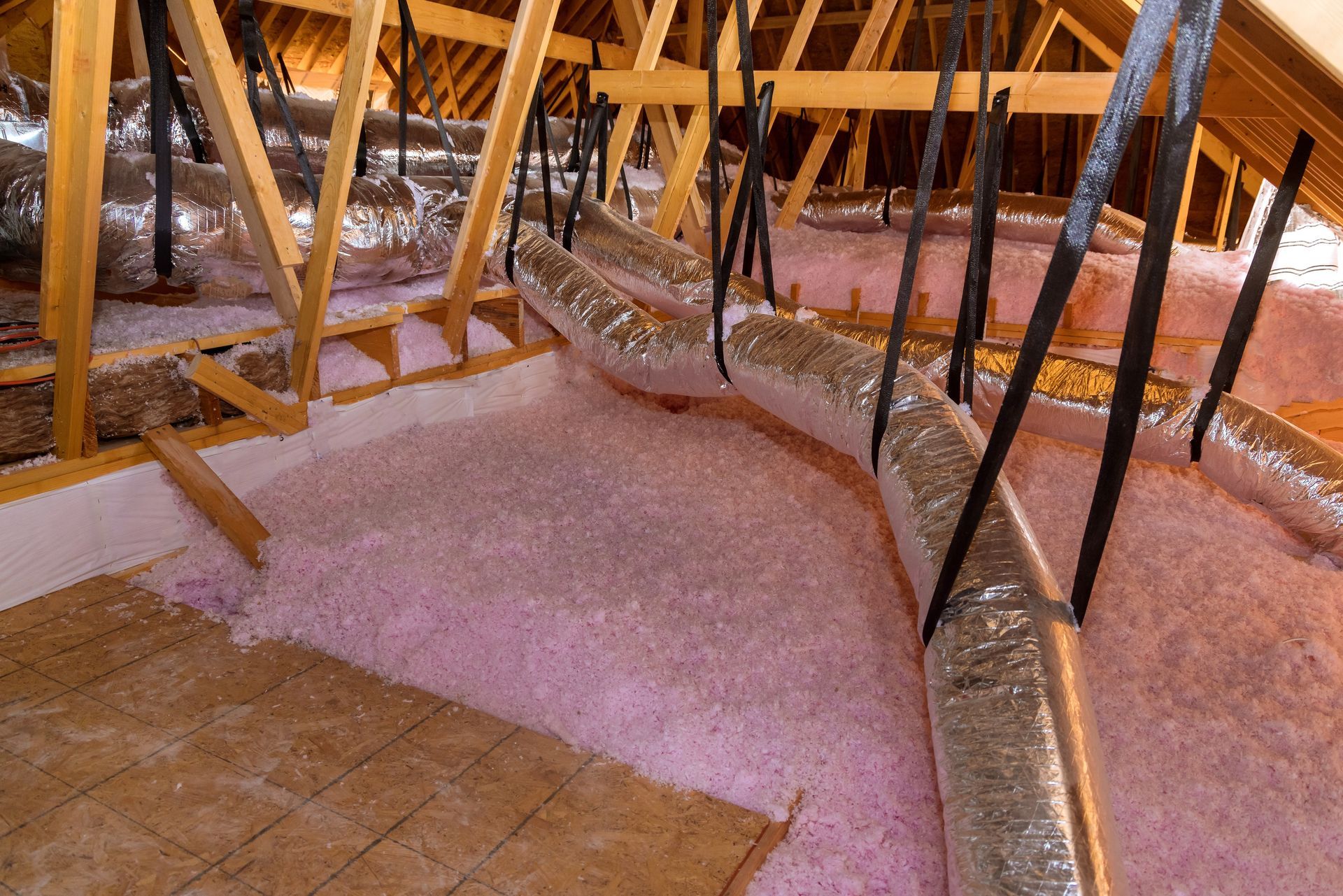
What Proper Insulation and Sealing Accomplish
Your heating system works harder than necessary when warm interior air escapes through attic spaces that lack adequate insulation depth or when wind forces cold exterior air through gaps around window and door frames. Wyoming winters create temperature differences of seventy degrees or more between indoor and outdoor conditions, which drives rapid heat loss through any weak point in your building envelope. Insulation upgrades slow this transfer by adding thermal resistance, while air sealing stops physical air movement that carries heat regardless of insulation levels. The combination addresses both conduction through materials and convection through gaps.
After improvements complete, furnace run times decrease because heat stays inside longer between cycles, rooms maintain more consistent temperatures without cold spots near exterior walls, and you'll stop feeling drafts when walking past windows or doors on windy days. Utility bills drop noticeably during months when outdoor temperatures remain below freezing for extended periods and heating represents your largest energy expense. The changes are measurable within the first heating season after work completes, with some homeowners seeing reductions of twenty to thirty percent in natural gas or electricity consumption compared to previous winters.
Projects integrate naturally with window and door replacements, roofing installations that expose attic spaces, or siding work that opens exterior walls, since these renovations already provide access to areas needing insulation improvements. Identifying inefficient building materials during larger remodeling prevents the waste of heating properly insulated spaces through poorly sealed or single-pane components that counteract other efficiency work.
Questions Before Starting Your Project
Energy upgrades involve evaluating multiple potential improvements and prioritizing based on cost effectiveness and how your home currently loses heat. These answers help clarify where to focus efforts.
What are the most common sources of energy loss in Gillette homes?
Attic insulation below recommended R-values allows heat to escape through roof assemblies, gaps around older windows and doors create drafts that account for fifteen to twenty-five percent of total heat loss, and unsealed penetrations where plumbing or electrical lines enter walls provide direct air pathways between interior and exterior spaces.
How do energy-efficient windows reduce heating costs compared to insulation alone?
Windows address both air leakage through gaps and thermal transfer through glass surfaces, which matters because single-pane or failed dual-pane units lose heat even when perfectly sealed, while insulation only slows conduction through solid materials and doesn't prevent air movement around window frames.
When should I combine energy upgrades with other remodeling projects?
Combining work makes sense when your renovation already exposes walls, attic spaces, or exterior surfaces where insulation needs improvement, when you're replacing roofing or siding and can add underlayment or wall insulation without additional demolition, or when you want to coordinate multiple contractors during a single construction period.
What insulation improvements provide the fastest payback through lower utility bills?
Attic insulation upgrades typically return investment within three to five years through heating cost reductions, air sealing around windows and doors shows immediate comfort improvement and pays back within five to seven years, and wall insulation makes sense primarily during renovation projects when cavities are already open rather than as standalone work.
How much can energy-efficiency upgrades reduce winter heating costs in Wyoming?
Savings depend on your home's current condition and which improvements you complete, but comprehensive upgrades including attic insulation, air sealing, and window replacement typically reduce heating costs by twenty-five to forty percent during months when outdoor temperatures stay consistently below twenty degrees and furnace runtime represents the largest utility expense.
R & L Contractors evaluates energy loss during renovation projects and explains which improvements fit naturally into planned work rather than requiring separate construction phases. Arrange a property assessment to discuss specific upgrade opportunities based on your home's current condition and planned remodeling scope.