
Workshop Space Built for Equipment Storage
Garage and Shop Construction in Gillette for properties needing secure vehicle storage, hobby workspace, or equipment protection from weather
A detached garage or shop building solves the problem of vehicles sitting outside through winter storms and equipment degrading from moisture exposure. R & L Contractors designs and builds custom structures based on what you're storing, how much workspace you need for projects, and whether you require electrical service for tools or heating systems that make the space usable year-round. The foundation and framing must handle snow load that accumulates on roof surfaces during storms that drop twelve to eighteen inches overnight, and door sizing determines whether you can move large equipment or vehicles in and out without clearance issues.
Garage and shop construction starts with site preparation and concrete work for the foundation slab, then moves through wall framing, roof installation, and exterior finishing with siding materials that match your main home or provide durable protection at lower cost. Projects include window and door installation for natural light and access points, plus electrical rough-in if you're adding powered equipment or lighting circuits.
Discuss your storage requirements and workspace goals to determine appropriate building size and layout features.
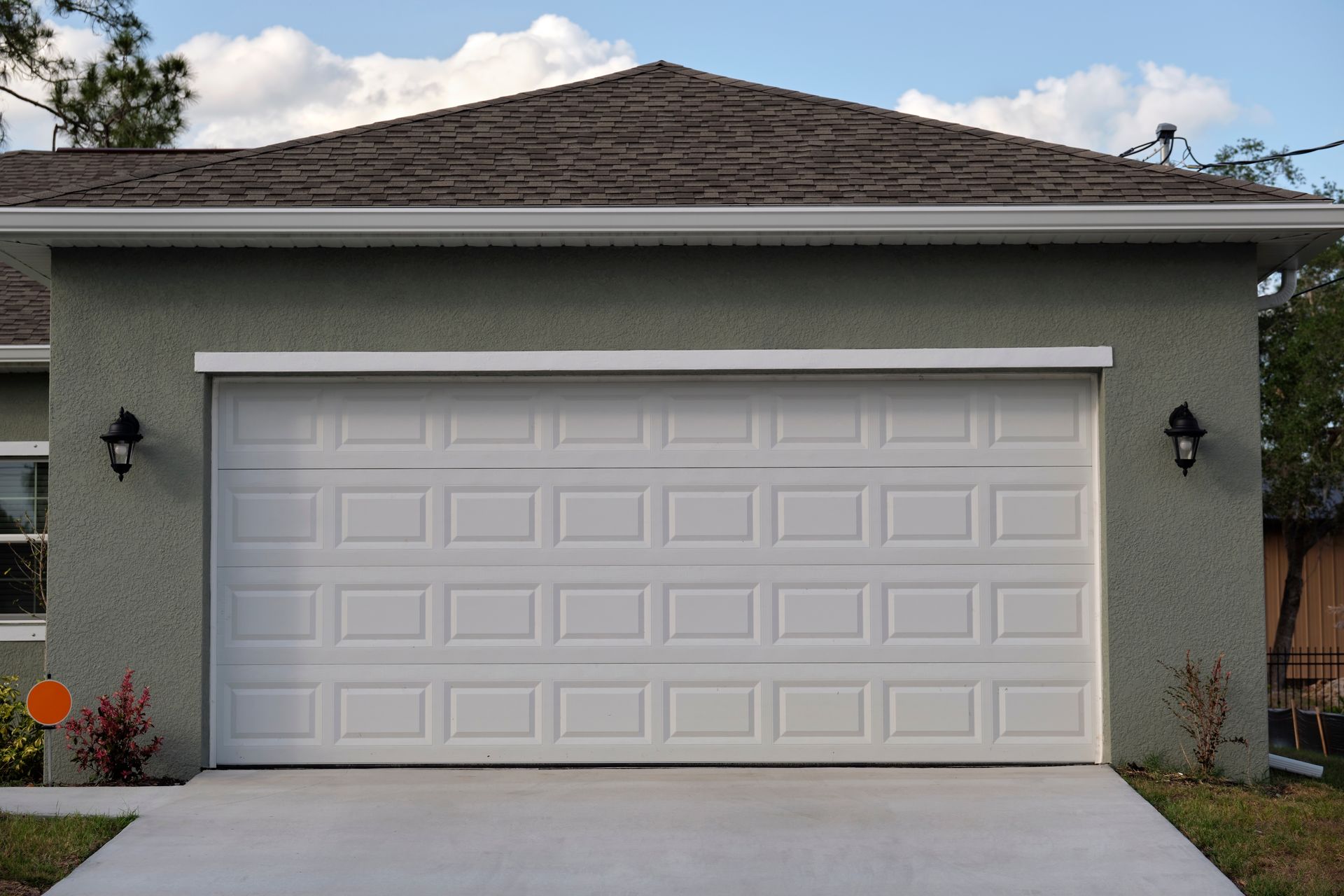
Why Custom Sizing and Layout Flexibility Matter
Your shop or garage functions best when dimensions match what you're storing rather than forcing equipment into standard sizes that waste space or create awkward access. Door height determines whether you can drive in trucks with toppers or toolboxes mounted in beds, interior width affects whether you can walk around parked vehicles to reach wall storage, and ceiling height impacts overhead storage capacity plus ventilation effectiveness if you're running equipment that produces exhaust or dust. Wyoming weather conditions require adequate insulation in heated buildings to prevent condensation that causes rust on vehicles and tools when warm interior air meets cold exterior temperatures.
When construction finishes, you'll have a structure that keeps snow and wind off vehicles immediately, provides secure storage that deters theft better than open carports, and offers workspace with electrical access for saws, welders, or other tools that require dedicated circuits. The concrete slab stays level without cracking if properly reinforced and placed on compacted base material, and walls remain square so doors operate smoothly rather than binding in frames as the building settles.
Multi-use structures accommodate vehicle bays on one end with workshop or storage sections separated by interior walls, workbenches can be built in during construction rather than added later when floor space is harder to access, and oversized doors allow equipment like tractors or trailers to enter buildings designed for more than just passenger vehicle storage. Finish details depend on whether you want basic weather protection or a temperature-controlled space with drywall, insulation, and heating systems comparable to residential construction.
What Property Owners Usually Ask
Building a detached structure involves planning decisions that affect functionality for decades, so questions focus on sizing, features, and construction methods suited to intended use.
What building dimensions work best for vehicle storage versus workshop use?
A single-car garage typically measures twelve by twenty-four feet minimum for vehicle clearance and door operation, two-car layouts need twenty by twenty-four feet or wider depending on whether you want workspace alongside vehicles, and dedicated shop buildings benefit from depths of thirty feet or more when you're storing equipment along walls and need central floor space for project work.
How does foundation type affect cost and long-term performance?
Monolithic concrete slabs poured in one piece provide the most stable base with minimal settling, frost-protected foundations prevent heaving in Wyoming freeze-thaw cycles by extending footings below frost depth, and proper site drainage away from the building prevents water pooling that undermines slab edges and causes cracking.
When does it make sense to include insulation and heating systems?
Insulation pays off if you'll spend significant time working in the space during winter months, if you're storing items that degrade in temperature extremes, or if you want to prevent freeze damage to stored liquids and equipment with water components that crack when frozen.
What exterior finishing options balance durability and budget in Gillette?
Metal siding installs quickly and resists weather damage with minimal maintenance, vinyl matches residential appearance at moderate cost, and wood or engineered siding provides traditional looks but requires more maintenance over time as paint or stain finishes weather.
How long does garage and shop construction typically take from start to completion?
Projects with standard features and good weather usually complete within four to eight weeks depending on size and finish level, though concrete curing requires several days before framing begins and utility connections add time if you're running electrical service from your main panel or installing separate meters.
R & L Contractors builds garages and shop structures sized for your actual storage and workspace needs rather than generic layouts. Contact us to review site conditions and discuss building options for your property.