
Outdoor Spaces Built for Wyoming Conditions
Deck Building and Outdoor Living in Gillette for creating durable gathering spaces that handle seasonal weather exposure
R & L Contractors builds custom decks and outdoor living spaces across Gillette using construction methods designed specifically for Wyoming's wind, snow load, and temperature swings. You need this work when your backyard lacks functional space for summer gatherings or when an aging deck no longer meets safety standards. The choice between wood and composite materials affects how much maintenance you'll perform over the next two decades, with composite eliminating the need for annual sealing while wood offers traditional appearance at lower initial cost.
Custom deck construction includes evaluating your terrain and backyard size to determine optimal layout, then building the frame, decking surface, railings, and stairs as a complete system. Projects often incorporate covered spaces that extend usability during afternoon sun or light rain, plus built-in seating or entertainment areas that eliminate the need to move furniture seasonally. Wyoming's freeze-thaw cycles require specific fastener types and joist spacing to prevent surface buckling and railing looseness over time.
Schedule a site evaluation to discuss material options and layout possibilities for your property.
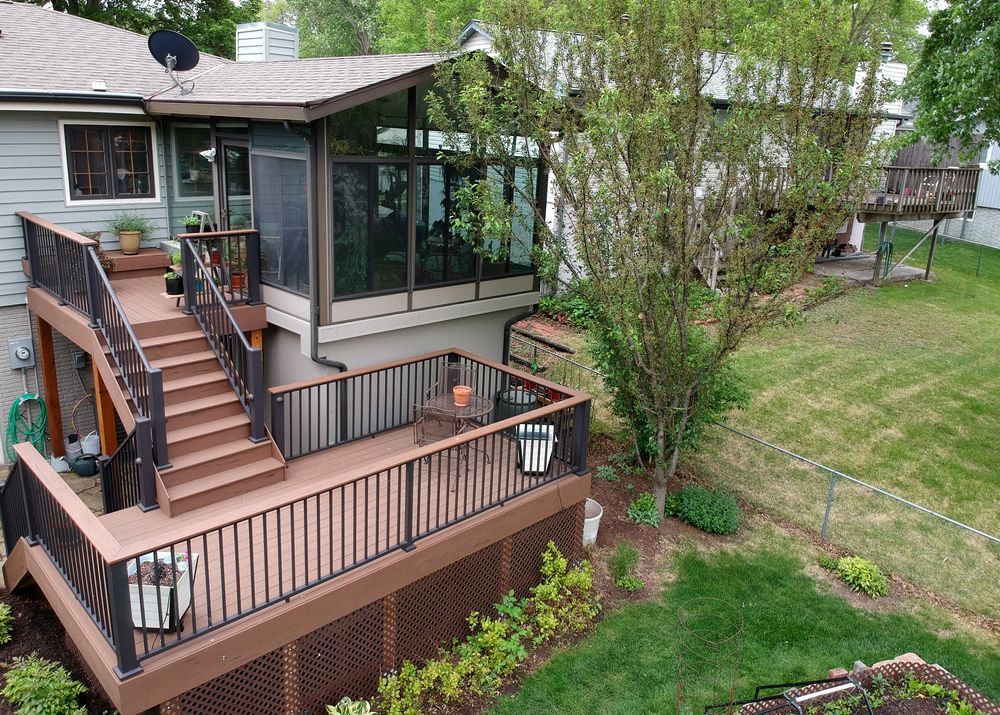
What Proper Deck Construction Requires
Your deck project begins with measuring the backyard and discussing how you'll use the space, which determines whether you need wide stairs for furniture access, railing heights that frame views without blocking them, or covered sections positioned to block western sun exposure. Load calculations account for snow accumulation, and footing depth extends below frost line to prevent seasonal shifting that causes boards to separate or railings to loosen.
Once construction finishes, you'll notice the deck remains level without bounce underfoot, railings stay solid when leaned against, and stairs feel secure with even tread depth throughout. Composite surfaces shed water without collecting puddles or developing soft spots, while wood decks show consistent stain coverage without streaking or peeling if you choose that material and maintain it properly. The space functions immediately for furniture placement and foot traffic without settling or requiring adjustment.
Outdoor living upgrades can include integrated lighting for evening use, privacy screens that block wind or neighbor sightlines, and multi-level designs that separate cooking areas from seating zones. The construction timeline depends on project size and whether you're adding covered structures that require additional permitting and roofing work.
Questions Homeowners Ask Before Building
Deck projects raise practical questions about materials, maintenance, and how the structure will perform across Wyoming's seasonal extremes. These answers address the decisions you'll face during planning.
What's the maintenance difference between wood and composite decking?
Wood requires cleaning, sealing, and staining every one to three years depending on sun exposure, while composite needs only occasional washing and never requires refinishing, though it costs more initially and can feel hotter underfoot during summer afternoons.
How does Wyoming weather affect deck construction methods?
Wind load calculations determine railing post spacing and fastener grades, snow load affects joist sizing and support beam placement, and freeze-thaw cycles require galvanized or stainless hardware that won't rust and cause board splitting when moisture freezes inside connections.
When should I consider a covered section for my deck?
Covered spaces make sense if you want protection from afternoon sun on west-facing decks, need a dry area for grills or outdoor furniture during quick rain showers, or want to extend seasonal use into cooler months when overhead coverage blocks heat loss.
What layout factors matter most for usable outdoor space?
Stair placement determines traffic flow and furniture arrangement, door clearances affect how easily you move between indoor and outdoor areas, and railing style impacts whether you feel enclosed or maintain open sightlines to your yard and surrounding Gillette landscape.
How long does a properly built deck last in this climate?
Composite materials typically maintain structural integrity for twenty-five to thirty years with minimal maintenance, while treated wood decks last fifteen to twenty years if sealed regularly, though railings and stairs often need earlier replacement due to higher moisture exposure and physical wear from use.
R & L Contractors designs outdoor living projects based on how you'll actually use the space and which maintenance level fits your schedule. Request a project estimate to discuss material options and layout possibilities for your backyard.